

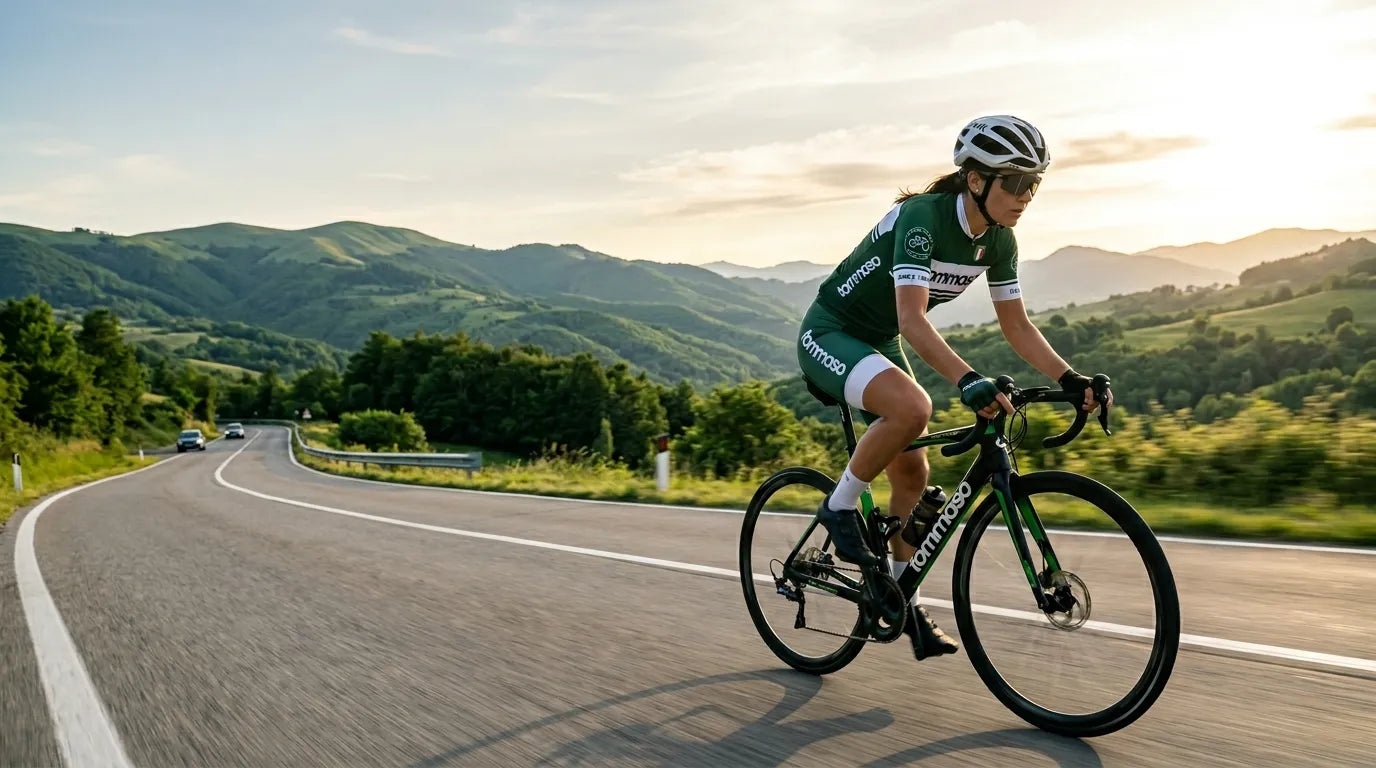
Why Cycling Matters More Than Ever in 2026
In a world that moves faster every year, cycling has quietly become one of the most powerful tools people use to take back control of their health, their commute, their budget, and even their mood. The importance of cycling in everyday life has never been more relevant than it is right now.
Whether you're a complete beginner who just bought their first bike or an expert rider clocking 200+ km a week, the benefits of cycling daily reach far beyond the physical. In 2026, cycling is a lifestyle and it's one that's open to absolutely everyone.
This guide covers everything: the health wins, the mental clarity, the environmental impact, the financial savings, and why the right bike can genuinely transform your day. Ready to ride? Let's go.
1. Health Benefits of Cycling Every Day
Physical Fitness for Every Body Type
Cycling is a low-impact, high-reward form of exercise. Unlike running, it puts minimal stress on your joints while still delivering a full-body cardiovascular workout. For men and women of all ages and fitness levels, incorporating a daily cycling routine means:
- Stronger cardiovascular health: Regular cycling reduces the risk of heart disease by up to 46% (British Medical Journal).
- Weight management: A moderate 60-minute ride burns between 400–600 calories one of the most efficient forms of cycling for weight loss.
- Improved muscle tone: Quads, hamstrings, glutes, and core cycling works them all.
- Better joint mobility: The smooth, circular pedalling motion is ideal for people with knee or hip concerns.
For beginners just getting into cycling, even 20–30 minutes three times a week produces measurable fitness improvements within four to six weeks.
Cycling for Women: Breaking the Fitness Barrier
For women specifically, cycling offers a uniquely accessible entry point into consistent exercise. It's non-intimidating, adaptable to any schedule, and highly effective for hormonal health, bone density, and long-term weight management. Many women in 2026 are choosing cycling as their primary fitness routine and seeing real results.
2. Mental Health Benefits of Cycling
The mental health benefits of cycling are just as compelling as the physical ones perhaps more so in today's high-stress world.
- Reduced anxiety and depression: Aerobic exercise like cycling triggers the release of endorphins and serotonin, the brain's natural mood elevators.
- Sharper focus and productivity: Regular riders consistently report improved concentration and mental clarity throughout their workday.
- Stress relief: There is something uniquely meditative about a steady ride. It gives your mind space to breathe.
- Better sleep: Daily physical activity through cycling has been shown to improve both sleep quality and duration.
In 2026, with screen fatigue and burnout at an all-time high, a daily cycling habit is one of the most effective, medicine-free tools for mental wellness for both beginners and experienced riders alike.
3. Cycling for Commuting: Save Time, Money, and the Planet
The Rise of the Cycling Commuter
Cities around the world are redesigning themselves around cyclists. Dedicated bike lanes, cycle-friendly infrastructure, and employer incentives are making cycling for commuting not just viable but genuinely preferable to sitting in traffic.
The numbers speak for themselves: according to a 2025 European Mobility Report, cycling commuters save an average of $3,000-$5,000 annually compared to car commuters, when accounting for fuel, parking, maintenance, and public transport costs.
Environmental Impact
- A single cycling commuter removes approximately 1.5 tonnes of CO₂ from the atmosphere annually compared to a car driver.
- Cycling produces zero direct emissions making it the most environmentally responsible commuting choice available.
- As urban congestion worsens in 2026, cycling remains one of the fastest point-to-point commuting options in most city centres.
Whether you're a seasoned cyclist doing a 20 km commute or a beginner just riding 5 km to work, your everyday cycling habit matters for your wallet and for the world.
4. Cycling Builds Community and Connection
One of the underrated aspects of daily cycling life is the community it creates. Cycling clubs, group rides, online communities, and local events have exploded in popularity. For beginners, this social dimension often makes the difference between a habit that sticks and one that fades.
Women's cycling groups in particular have grown tremendously, creating welcoming spaces for riders of all skill levels. Meanwhile, competitive male cyclists are finding that group training not only improves performance but also builds meaningful connections.
Cycling is inherently inclusive it doesn't require a gym membership, a coach, or expensive facilities. Just a bike, the open road, and a willingness to show up.
5. Cycling Tips for Beginners: How to Build Your Everyday Habit
If you're new to cycling, the prospect of making it a daily habit can feel daunting. Here's a practical framework to get started:
Start Small and Build Gradually
- Begin with 15–20 minute rides, 3–4 times per week.
- Focus on consistency over distance in your first month.
- Choose flat, familiar routes while you build confidence and fitness.
Invest in the Right Gear
- A properly fitted helmet is non-negotiable safety always comes first.
- Padded cycling shorts make an enormous difference on longer rides.
- Lights and reflective gear are essential for commuters and early morning riders.
Choose the Right Bike
Your bike is your most important investment. The right bike makes cycling feel effortless and enjoyable; the wrong bike makes it feel like a chore. This leads us to one of the most important decisions any cyclist, beginner or expert will make.
6. The Right Bike for Every Cyclist: Explore the Tommaso Bike Collection
For riders who take their cycling seriously whether that means daily commuting, weekend fitness rides, or competitive road racing having a quality bike is everything.
Tommaso Cycling has been crafting performance bikes and cycling gear designed for real riders since its founding. In 2026, the Tommaso bikes collection continues to stand out for its combination of Italian-inspired craftsmanship, precision engineering, and genuine accessibility across all rider levels.
Why Tommaso?
- Built for all levels: From entry-level bikes perfect for everyday cycling beginners to high-performance road bikes for experienced athletes.
- Engineered for performance and comfort: Tommaso frames are designed for efficient power transfer without sacrificing ride comfort on longer distances.
- Trusted by men and women riders globally: The range includes geometry options suited to different riding styles and body types.
- Value-driven: Tommaso delivers professional-grade build quality at a price point that respects your investment.
Whether you're eyeing your first road bike, upgrading from a department store model, or looking for high-end gear for competition, the Tommaso collection has a bike built for your ride.
Browse the full Tommaso Bikes Collection here, cycling shoes, accessories, and everything you need to make cycling a meaningful part of your everyday life.
7. Advanced Cycling: Taking Your Everyday Ride to the Next Level
For experienced cyclists, maintaining motivation and continued progression is the goal. In 2026, the smartest riders are combining technology with structured training to get more from their time in the saddle.
Cycling Fitness Routine for Experienced Riders
- Zone 2 training: Long, steady rides at 60–70% max heart rate build aerobic base and fat efficiency. The foundation of long-term cycling performance.
- Interval sessions: Short, high-intensity efforts (HIIT on the bike) are among the most time-efficient ways to improve speed and power.
- Recovery rides: Easy spinning at low intensity promotes recovery and keeps the legs turning without adding fatigue.
- Strength and mobility work: Off-the-bike training, hip flexors, glutes, core directly improves cycling economy and injury resilience.
Tracking Progress
Modern cycling computers, GPS devices, and power meters give today's riders unprecedented data. Tracking metrics like average power, heart rate zones, and cadence allows you to train smarter, not just harder and to see the tangible proof of your improvement over time.
8. Cycling in 2026: Trends Shaping the Future of the Sport
- E-bikes on the rise: Electric-assist bikes are making cycling accessible to older adults, longer-distance commuters, and those returning from injury without removing the health benefits.
- Women's cycling boom: 2025 and 2026 have seen record participation in women's cycling events globally, from local sportive to elite racing.
- Urban cycling infrastructure: Major cities continue to invest heavily in protected bike lanes, making daily cycling safer and more appealing than ever before.
- Sustainability-driven cycling: More people are choosing cycling explicitly as an environmental statement & a personal commitment to reducing their carbon footprint.
- Cycling tourism: Multi-day cycling routes and cycling holidays are booming, blending adventure travel with fitness for both solo and group riders.
Final Thoughts: Make Cycling Part of Your Everyday Life
The importance of cycling in everyday life in 2026 goes far beyond fitness. It is a statement about how you want to live moving through your world with intention, efficiency, and care for your health and your environment.
For beginners, the journey starts with a single ride. For experienced cyclists, every ride is a reaffirmation of a lifestyle that works. For women and men alike, cycling offers a rare combination of freedom, community, and measurable improvement.
The best time to start or to recommit is now.
Explore the full Tommaso bikes collection and find the bike that gets you out the door.
Frequently Asked Questions
What are the main benefits of cycling every day?
Daily cycling improves cardiovascular health, supports weight loss, boosts mental wellbeing, reduces stress, and builds strength all with minimal joint impact.
Is cycling good for beginners who have never exercised before?
Yes, cycling is one of the best entry points into regular exercise. It's low-impact, easy to pace, and enjoyable. Starting with 20–30 minute rides three times a week is enough to build meaningful fitness from zero.
What is the best bike for everyday cycling in 2026?
The best bike depends on your use case: road bikes for speed and fitness, hybrid bikes for commuting, and gravel bikes for mixed terrain. The Tommaso bikes collection offers excellent options across all these categories for every budget.
Is cycling better for weight loss than running?
Both are effective, but cycling is lower-impact and sustainable over longer durations. A 90-minute cycling session can burn more total calories than a 45-minute run, with less stress on joints making it a strong long-term choice for weight management.
How can women get started with cycling?
Start with a properly fitted bike (fit is critical), invest in padded shorts, and consider joining a local women's cycling group for support and motivation. Start with shorter rides and build gradually confidence comes quickly.
How many times a week should I cycle for fitness?
For general health, 3–4 rides per week is a strong starting point. For serious fitness gains, 5–6 sessions per week with varied intensity produces excellent results.
Share:
The Best Mother's Day Gift for the Cycling Mom in Your Life
Cycling Motivation: 9 Proven Ways to Keep Riding When You'd Rather Quit